How Proactive AI Solves Customer Problems Before They Escalate
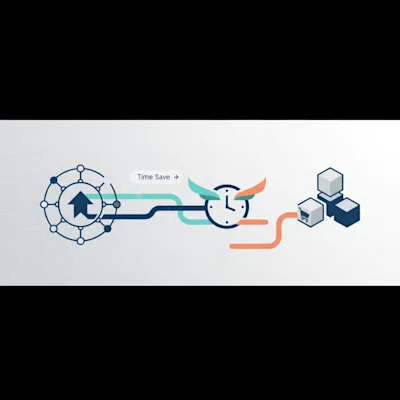
Proactive AI agents reach out to customers before issues escalate. The result? 35% fewer support tickets and 19% more repeat purchases. Here's how it works for SMBs.
Imagine a customer service representative who never sleeps. One who spots problems coming from miles away, before customers even know they exist. One who can handle the same task over and over without getting tired. It's not science fiction anymore. It's proactive AI agents, and they're changing how SMBs handle customer support.
For years, customer service meant waiting. A customer would reach out with a question, complaint, or problem. You'd react. Now AI can be proactive. It means your business reaches out first and solves problems before they turn into frustrated customers and lost orders.
What exactly is a proactive AI agent?
A proactive AI agent is simply an artificial intelligence that reads your customer data and takes action without waiting for instructions. It looks at everything it can figure out about a customer: past purchases, how long since they visited your shop, what they looked at, whether an order is delayed, or if they haven't been active in a while.
When the AI spots something that needs attention, it does something about it. It can send an email asking if everything is okay with their order. It can offer them something it thinks they'd be interested in. It can update your customer records automatically. It solves routine questions directly without involving you. All the time, day and night.
Why does it matter for your business?
The numbers speak for themselves. Companies using proactive AI agents resolve about 35% of their support questions without needing human effort. That means fewer hours spent answering emails, fewer support tickets, and more time for what actually matters in your business.
But the real payoff is what happens with customers. When AI reaches out proactively and solves problems before they get frustrated, they buy more often. We're talking about 19% more repeat purchases. And 41% of customers say directly that they value when a company personalizes communication with them. That means more loyalty and stronger customer relationships.
How SMBs are using it in practice
Let's get concrete. Here are four real ways to use it in your business:
-
Automatic order status updates: A customer bought something two days ago. AI automatically sends them a message saying the order shipped, includes tracking, and asks if there's anything they need. Many of your order status support questions disappear.
-
Returns without frustration: A customer has initiated a return. AI reaches out first with a simple explanation of how the return process works, without them needing to ask. Fewer frustrated inquiries.
-
Personalized win-back campaigns: A customer visited your shop three weeks ago and looked at products but didn't buy. AI sends them a message with those items, plus a small offer. Some convert. You save hours that you would have spent on manual campaigns.
-
Early warning signals: If a customer hasn't been active in three months, or they're returning a lot, or they never open your emails, AI gives you a signal so you can reach out with something that matters. You stop customers from leaving without knowing why.
How to get started
The best part? You don't need to be a tech expert to use it. There are solutions built specifically for SMBs like you. Some cost surprisingly little and take hours to set up, not months.
Start with one thing. You don't need to automate everything at once. Pick the area where you spend the most time on customer service right now. Maybe it's order status questions. Maybe it's returns. Maybe it's sending upsell campaigns. Start there. See what happens. Look at the results. When you see it works, you expand to the next area.
The bottom line
Proactive AI agents aren't science fiction anymore. They're a tool SMBs can use right now, and they make a real difference. Fewer support questions. More satisfied customers. More repeat purchases. Better use of your time. That's what good technology is about.